
Anyone who owns a house with a lawn will no doubt have encountered the scourge of yards known as Lawn Moss.
Mosses, along with the majority of lawn weeds, mostly take full advantage of areas which are barren in the lawn, or of yards which are sparsely covered at best. Moss flourishes in parts of a yard which are shady, while weeds prefer to dig in where there is direct sunlight available.
The good news is that such Lawn Moss does not eliminate existing grass, like a number of individuals fear. The greatest defense where lawn moss is concerned proves to be a full and vibrant grassy lawn. This article covers the problem of lawn moss, along with efficient ways to prevent it, control it, and address it once it is present in your yard.
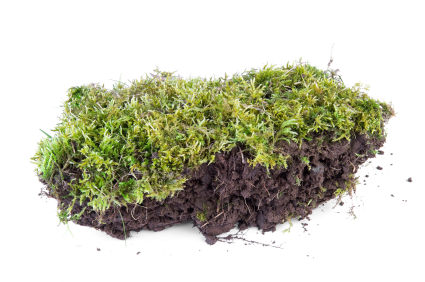
Causes of Lawn Moss
Bare patches in a family’s lawn come from a variety of different causes. Some of these are poor lawn drainage, grass varieties which are not appropriate for the climate and area, soil compaction, drought, too much shade, poor ground fertility, an accumulation of thatch, poor mowing practices, diseases, and various other cultural particulars.
Many typical reasons for lawn failure include moss and additional problems with weeds. Through improving these elements in the lawn, you can get healthy, thicker grass. Ironically, a healthy lawn is the central element necessary in successful long term prevention and control of lawn moss.
Need Help With Your Lawn?
Materials and Items Necessary to Fight Lawn Moss
The following materials and items are needed in the war against the persistent foe of lawn moss:
- A small shovel
- A metal rake
- Trimmers
- Lawn Lime
- Grass seeds
- Moss Killing Products
Means of Killing Lawn Moss
Lawn moss can be beaten back, this is the best news of all. Weed killer which contain ferrous ammonium sulfate or ferrous sulfate are effective. Some of these brands on the market today include Moss-Kil, Moss-Out, Rid-Moss, and a number of Moss Control featuring Lawn Fertilizers. Soaps which kill algae and moss, like Safer’s, are also effective.
Fortunately, these products have not been proven to cause any harm to the environment. To the contrary, sulfur and iron are necessary nutrients for healthy grass, improving its color.
While it is true that such commercially available moss pesticides will eliminate the currently present lawn moss, if the home owner does not alter the conditions which underlay the problem in the first place, then he or she can rest assured that the lawn moss or different weeds will probably soon put in an unwelcome reappearance.
Reasons Grass Fails
There are a number of reasons why grass could fail in the person’s yard. Poor drainage, lower temperatures, or diseases which are common to the area are among them. Bad drainage, along with an overly compacted soil, may lead to root suffocation or disease. Soil and thatch over-compaction will likely interfere with the movement of water to the roots of the grass, causing a condition known as drought stress.
Controlling and Discouraging Lawn Moss
Among the ways of controlling and discouraging lawn moss is improving the soil pH using dolomitic or agricultural lime. This will increase the nutrients’ availability and offer calcium to the existing grass. It will not eliminate moss directly, though. To do this, the home owner will typically have to directly control lawn moss, as well as to discourage its future development, through the following eight means:
- Employ a product for moss control to eliminate lawn moss in either early spring or late winter.
- Rake out, or de-thatch, dead mosses, utilizing a good metal rake. Because moss contains a shallow and thin root system, it is simpler to remove than are the various different kinds of weeds present in the lawn.
- Pull out any other weeds present utilizing a smaller spade. Weeds that flourish in lawns possess vast root systems which necessitate digging them up and out from under the weed itself for total weed removal.
- Dispose of the weeds and lawn moss in a distant or isolated area. Never put lawn moss and weed remnants on a compost pile which could be utilized later on the yard. Because weed roots and moss spores are persistent, they will spread throughout your lawn easily, if you make this tragic mistake.
- Re-seed areas which are bare, or which had lawn moss and weeds in them before, using a turf-like rye grass or alternatively, a fescue and rye grass mixture. The more grass that the lawn contains, the fewer amounts of space will be available for lawn moss or other pesky weeds to occupy.
- Top dress the just-planted grass seeds with approximately a quarter of an inch of looser soil which is free of weeds, sand, or potting mix.
- Keep the top dressing moist until such seedlings have become well established.
- Maintain the yard as per the suggestions found in the WSU EB 0482 Home Lawns Guide.
Depending on your specifics, the following practices might be used to improve the situation:
- For compacted soil, either utilize a wetting agent, aerate well, or water extra and carefully.
- If lime has not bee utilized in a couple of years, then put down twenty to thirty pounds per every thousand square feet. Especially concentrate on areas that have had lawn moss or weed problems in the past. Lawn lime is useful since it actually boosts the existing soil’s pH factor, which promotes a high nutrient soil rich in minerals that grass requires to grow effectively and well.
- To encourage more sunlight for a healthier and growing lawn, thin tree limbs and trim back any other plants or bushes surrounding the lawn itself. This will also serve to lessen competition on the lawn. Grass needs plenty of sunlight in order to properly photosynthesize and thrive.
15 Comments
What is the most effective way to control moss in an extremely shaded area, I have not been able to get grass to grow in this area in 20 years, and I fight moss every year.
Every year I put down 20 -30 lbs of lime, but the moss keeps coming back.
Also use garden gypsum especially if you have clay soil. This softens the soil and improves drainage.
I also use Scotts moss control. When you seed, sprinkle top soil on top.
I like lawn moss. Why can this “weed” replace grass?
I have a buddy who kept trying to remove the extensive moss in his front yard. Finally, he just gave up and said, “Let it grow!” Now his front lawn is almost all moss and is nice and green, even in the summer heat. He doesn’t stress over it any more. Also requires hardly any mowing.
very bad moss on a fairly large lawn with 5 apple trees growing
Great Article. Your statement about correcting the cultural issues in the first place is critical the success of ridding your lawn of moss. Well done!
If I put lime down, how soon afterwards can I plant the grass seed? Thanks.
A lush and healthy lawn requires water, nutrition and properly balanced soil pH in order to thrive. The soil often will require the application of lime to reduce the acid level. Lime pellets are a convenient method of application, and can also help to increase bacteria activity and improve the soil structure. Lime also provides calcium and magnesium to the soil, which are essential elements for grass growth. Lime pellets and grass seed can be applied at the same time to help simplify the maintenance process….. ciao
Hey, thanks for the information as I go about trying to rid my yard of moss. These bullet points (lawn mower points) have helped to reinforce what I suspected needed to be done. My big question was if lime would help but I wasn’t sure. Your discussion helped a lot. I plan to remove the moss with chemicals, rake it out, use a commercial aerator to remove plugs, lime, peat and overdress along with spot seeding.
Whew.
My only question now is, what order do I do these steps? I’ll figure it out, and your message has helped greatly,
Thanks, Dave
I would do everything in the order you have listed, but I would NOT use peat moss. Peat Moss is very acidic, so you would be going against what the lime is doing and you would be creating a good environment for moss to return.
Would like to reseed after killing off moss and raking out but there are only a couple more weeks left to plant in Michigan. After using Moss Out, how long to you have to wait to plan new seed?
Thanks for this information on how to rid your yard of moss. I hope I can print your information or buy your book with this information. My yard was very pretty until I hired new yard person,he put down product to kill moss, but instead killed the grass. Now I have a ugly brown yard, hard to cut or rake, because big pieces of moss come up.
We enjoy the care free feature of moss grass but we have an invasion of weeds which we would like to kill off. We are concerned with using common weed killers and trying to dig out each weed would be a horrific job.
WOW, almost everyone missed the critical point of proper rain drainage with respect to lawn grade, this is often
a sign affected homeowner has home lawn in pool of water or extremely poor soil, nobody mentions how effective
a well calculated simple french drain is or prioritizes truckload of dirt as good starting point, TRUTH IS that’s the
solution most of the time, more organic dirt with better drainage so your grass roots don’t rot choked out with moss.
Unfortunately the rest of the tips would only work if the problem is very minor where soil drainage, quality is already
fairly good.
Three heavy applications of Mossex moss still thrives your product failed.